
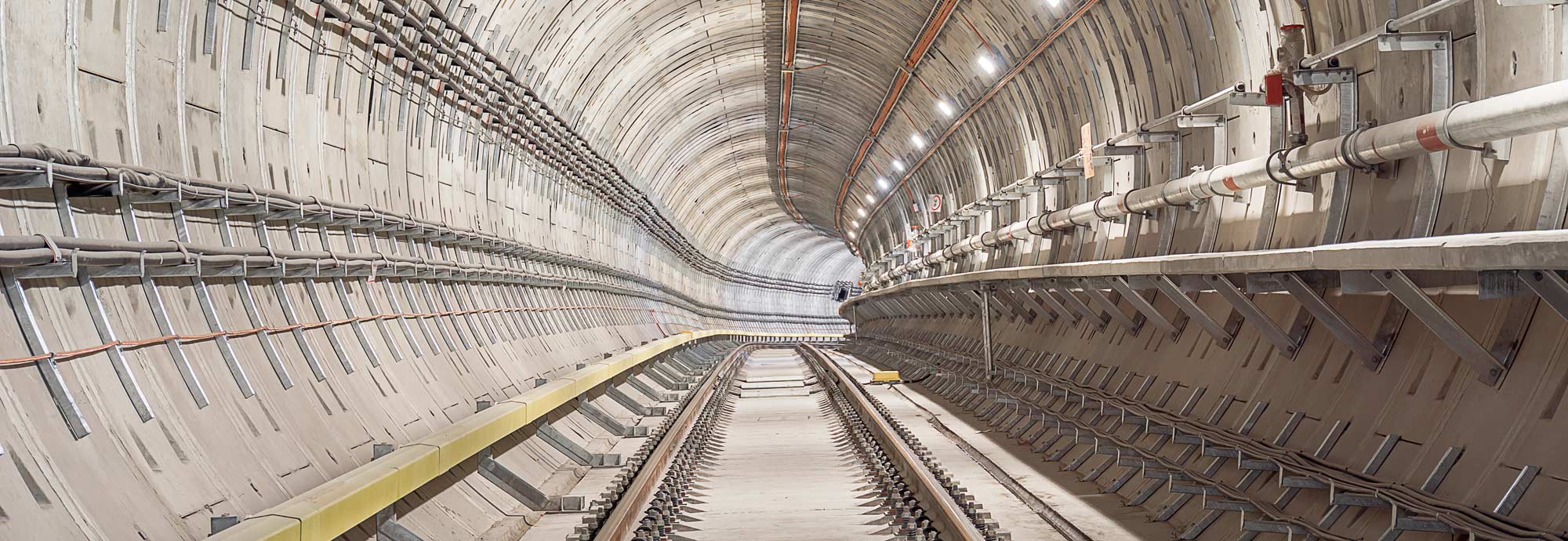
Personnel positioning, voice communication and data transmission underground
For the construction of tunnels and underground structures
RealTrac Tunnel
Monitor the location of workers, connect work sections with the control room and link equipment to a data network. The solution is configured for your site, and the infrastructure expands as construction progresses.
- Personnel on the tunnel layout
- Communication between sections and the control room
- A network for equipment and data
Three tasks, one integrated infrastructure
RealTrac Tunnel combines monitoring of people's location with communications at the construction site. Choose the functions you need for the first stage and plan for extending the solution to the next work sections.
Know where your workers are
Display personnel on the tunnel layout and monitor the presence of people at work sites.
Maintain voice communication
Connect workers with the dispatcher and site supervisors through wireless terminals and fixed telephones.
Transmit data from the site
Use the backbone network for the positioning system and for connecting compatible equipment: cameras, communication devices and sources of process data.
See personnel on the layout of the tunnel under construction
RealTrac Positioning (RTLS)Personal tags transmit data to the positioning system. The dispatcher sees the location of workers on the site layout and can check who is in a specific section and how personnel move.
- Display of workers on the tunnel layout.
- Monitoring of presence in work and designated zones.
- Movement history.
- Analysis of time spent in sections.
- Zonal or precise positioning, depending on project requirements.
The technology, accuracy and location update rate depend on the selected equipment and system configuration.
Voice communication between the tunnel, work sections and the control room
Set up voice communication at construction sections with wireless terminals and fixed IP phones. Communication devices connect to the site infrastructure and are selected based on coverage, operating conditions and personnel requirements.
Wireless communication
For workers who move around the site. Compatible Wi-Fi radios provide voice communication within the wireless network coverage area.
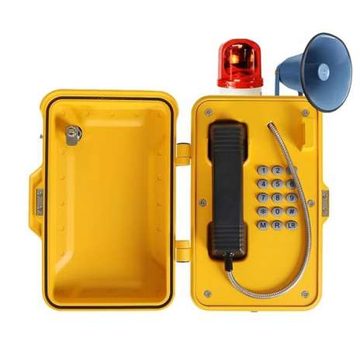
Fixed telephone communication
For the control room and specific points at the construction site. Industrial SIP phones connect to the wired data network.
The scope of the communication system and the need for a telephony server and external connections are determined during design.
A data network for construction site systems
The backbone network links equipment in the tunnel with the server and the control room. In addition to positioning data, it can be used to connect communication devices, video surveillance and compatible process equipment.
Positioning
Data from the positioning infrastructure is transmitted to the RealTrac server.
Voice communication
Connection of telephony and wireless communication equipment.
Video surveillance
Connection of IP cameras and transmission of video streams to the video surveillance system.
Process data
Data transmission from compatible devices and sensors, provided the required interfaces and integrations are in place.
Network bandwidth and architecture are calculated based on the equipment and simultaneous load.
From the personal tag to the dispatcher's workstation
The solution is built from interconnected layers: personnel devices, tunnel infrastructure, the data network and software.
1. Personal devices
Tags are used to determine the location of workers. Separate compatible terminals are used for voice communication.
2. Tunnel infrastructure
Positioning points, wireless access points and network nodes are installed at the construction sections.
3. Backbone network
Transmits data between site equipment, servers and the control room.
4. Software
Displays the location of personnel, stores data and provides monitoring and analysis tools.
The infrastructure grows with the tunnel
As construction advances, the system is extended to new sections. Positioning points and network equipment are added according to the project, and the site layout is updated for dispatch monitoring.
Initial section
Deployment of the infrastructure in the first work zones and connection of the control room.
Tunnel advance
Adding equipment in new sections and extending the network.
Changes in work organization
Updating the layout, monitored zones and equipment placement to match the current site configuration.
Personnel location and events in the dispatcher interface
The dispatcher works with the site layout, views the location of workers and receives system events. Historical data helps analyze movements and the presence of personnel in sections.
- Personnel on the site layout.
- Work and monitored zones.
- Events and alarms.
- Movement history.
- Reports on presence in zones.
Additional monitoring and notification tools
Complement positioning with notification and zone monitoring functions. The available scenarios depend on the selected personal devices, software and project settings.
Zone monitoring
Monitor the presence of personnel in designated areas and record events according to configured rules.
Personnel notification
Use the signals supported by the devices for individual, group or general notification.
Worker alarm
Send a signal to the dispatcher from a personal device if the selected model has an alarm button.
Evacuation information support
Use data on the location of people to check that they have left designated areas.
The system is used as part of the safety procedures adopted at the site and does not replace organizational measures or mandatory protective equipment.
Equipment for the needs of your site
All equipmentThe solution depends on the length and configuration of the tunnel, the number of personnel, and the requirements for positioning, communication and equipment connectivity.
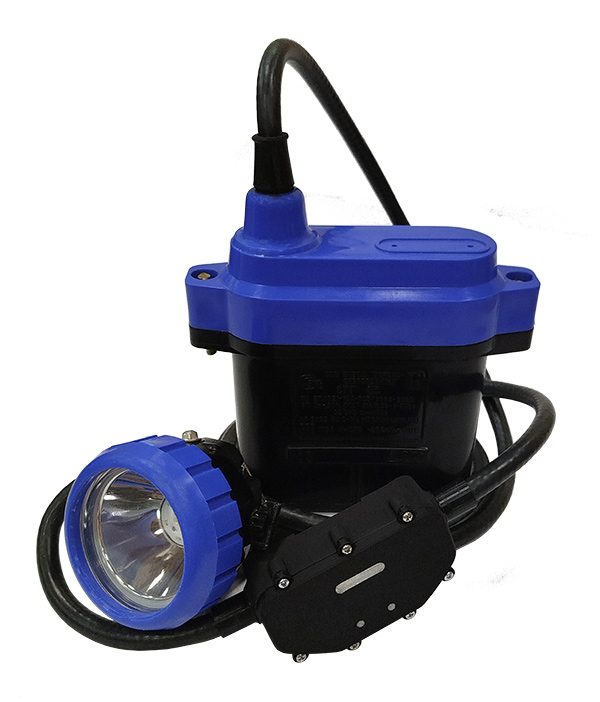
Personal tags
Devices that determine the location of workers. The design and the way they are worn are selected for the operating conditions.
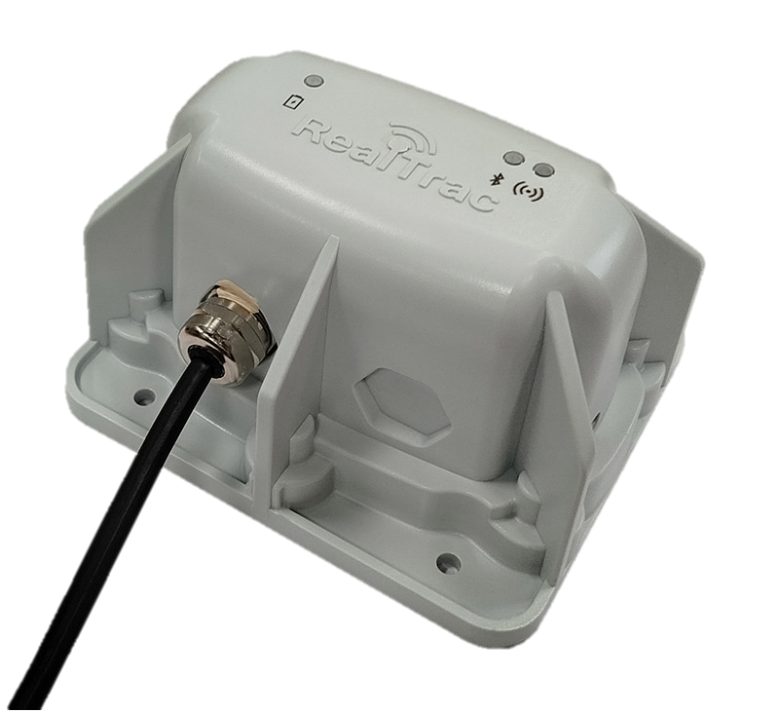
Positioning points
Infrastructure that determines the location of tags in the site sections.
Network nodes
Equipment for connecting devices and transmitting data over the backbone network.
Wireless access points
Provide connectivity for compatible wireless communication and data transmission devices.
Voice communication devices
Wireless terminals and fixed industrial IP phones.
RealTrac server and software
Processing of positioning data, display of personnel, events and reporting.
From input data to launch at the site
The RealTrac Tunnel configuration is developed for the construction tasks and infrastructure requirements.
1. Input data
We analyze the site layout, construction stages, number of workers and communication requirements.
2. Solution selection
We define the positioning technologies, voice communication devices and the set of network equipment.
3. Design
We work out equipment placement, power supply, data channels and the required integrations.
4. Deployment and setup
We connect the equipment and configure the site layout, zones and available functions.
5. Testing and commissioning
We test the system according to an agreed program and prepare users for operation.
Frequently asked questions
Can the existing site network be used?
Whether the existing infrastructure can be used is assessed during design. Its topology, available interfaces, bandwidth, power supply and the requirements of the connected systems must be checked.
What positioning accuracy is available?
The solution can use zonal and precise positioning. The required accuracy is agreed for specific sections; whether it can be achieved depends on the selected equipment, the placement of points and site conditions.
Can the system be expanded as the tunnel advances?
Yes. The solution concept provides for adding access points as the tunnel is built. The scope and order of expansion are defined by the project.
Does the worker's tag replace a radio?
No. The personal tag is used for positioning and the supported notification functions. In the proposed architecture, separate terminals or fixed telephones are used for voice communication.
Can cameras and sensors be connected?
The backbone network can be used to connect IP cameras and compatible equipment. Transmitting data to RealTrac software or other systems requires the appropriate interfaces and, if necessary, a separate integration.
What happens during a power outage?
Backup power and battery life requirements are set during design. These parameters depend on the equipment and the selected power supply scheme.
What does the cost depend on?
On the length and configuration of the site, the number of personal devices, positioning and communication requirements, the network infrastructure, redundancy and the scope of integrations. To prepare an estimate, we will need information about your site.
Find the right solution for your tunnel project
Tell us about your construction site and the functions you need. A tunnel layout, construction stages and information about the existing network will help us prepare a focused discussion of the configuration.
Please specify the tunnel length, the number of workers per shift, the construction stage and whether a data network is available.